
A strengthening dollar, rising interest rates, tightening liquidity and a surge in oil prices - all are combining to create a toxic atmosphere for EM assets, says Akash Prakash.
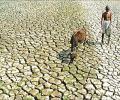
Emissions would still keep rising till 2030, and the path towards global warming would improve to 2.7c.

India expects to remain unscathed this time, mainly because it is in a sweet spot as the world's third largest oil consumer, after the US and China, says Subhomoy Bhattacharjee.

India's macroeconomic situation has benefited from oil prices' decline.

India continues to apply import quotas on marble.
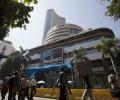
The 30-share Sensex ended 53 points higher at 28,439 and the 50-share Nifty closed 18 points higher at 8,494.

Pushing a barrel of oil back to around $100 would require a reduction of production of about two million barrels a day - a cut that would fall predominantly on Saudi Arabia.

Because of India's weak fiscal position, the plethora of debt-burdened infrastructure companies and the poor asset quality of public sector banks, economic growth in 2015-16 may be limited to about six per cent, say Shankar Acharya.

Optimism about a stable govt at the Centre, a demand revival and falling oil prices buoyed the markets.

'Only when China treats India as an equal can we consider them real friends.'

Instead of a consumption stimulus the government must address the NPA issue with a war footing and invest in infrastructure, affordable housing and exports, says Sanjeev Nayyar.

'Power sits lightly on Arun Jaitley's shoulders. Just because earth-shaking election results have brought his party in power, he has not gone recklessly ambitious. "Too soon, too fast" is not what he likes,' says Sheela Bhatt/Rediff.com about Budget 2014.
